
Copyright © 2015 Tsai Kuenlin. All rights reserved
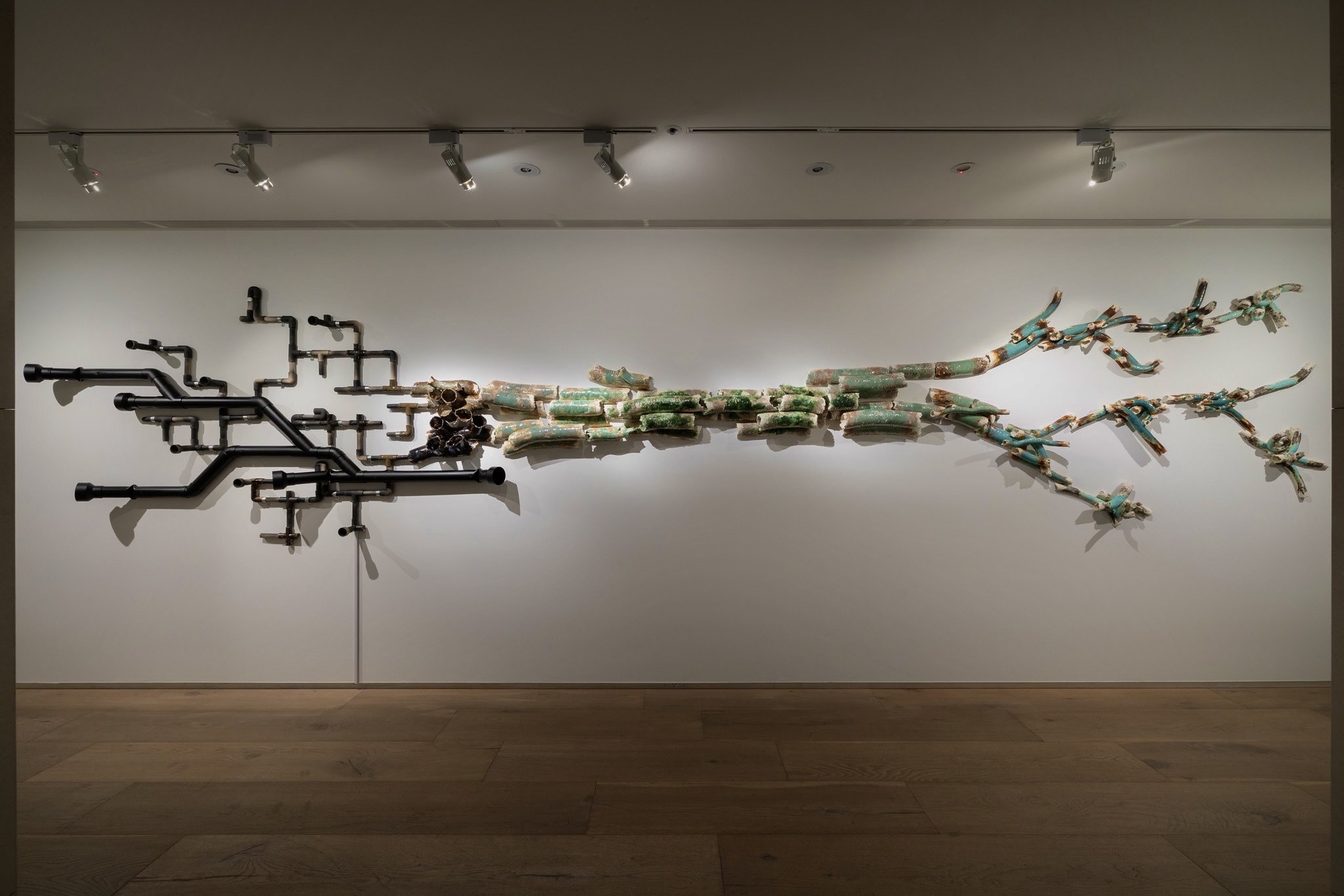
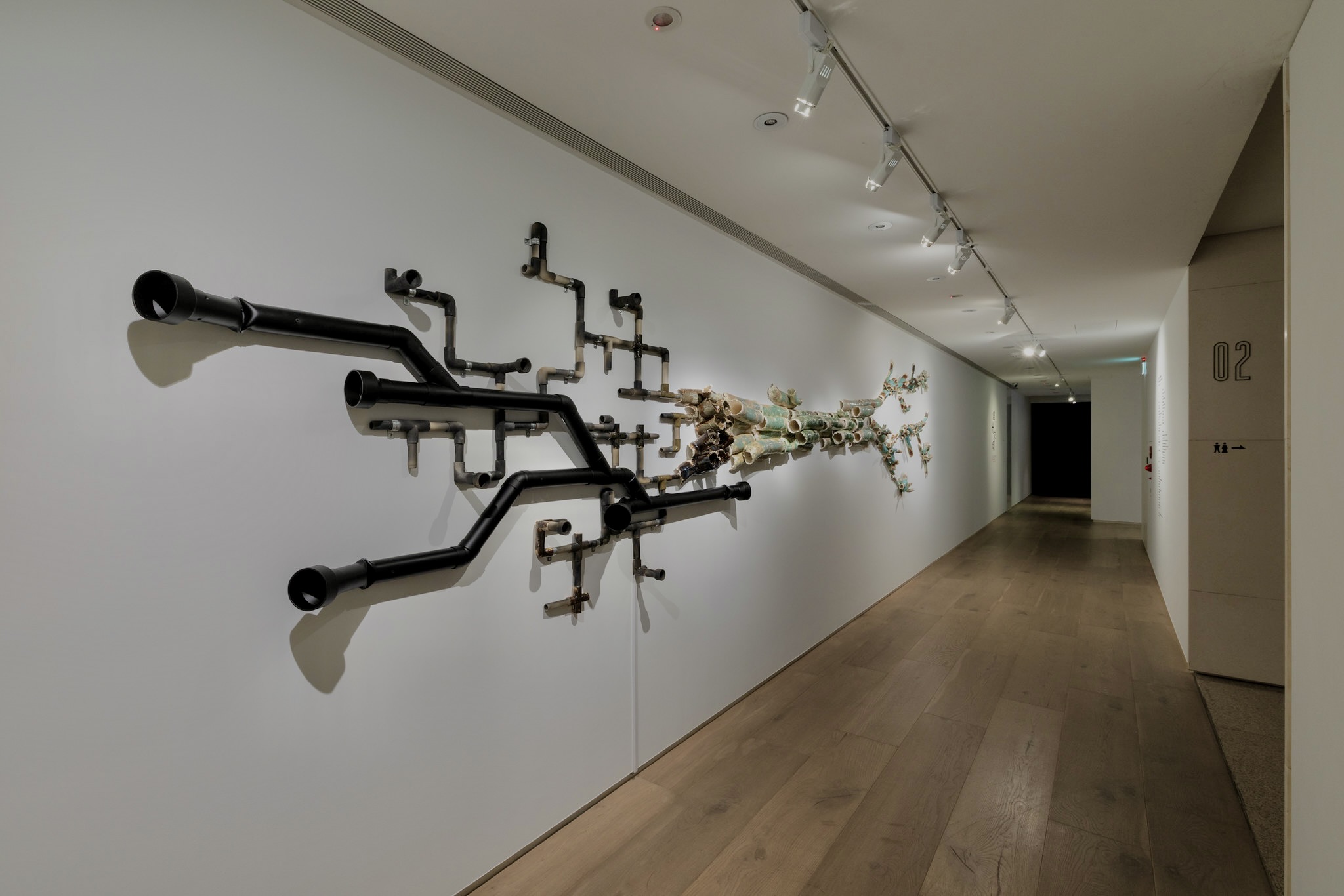
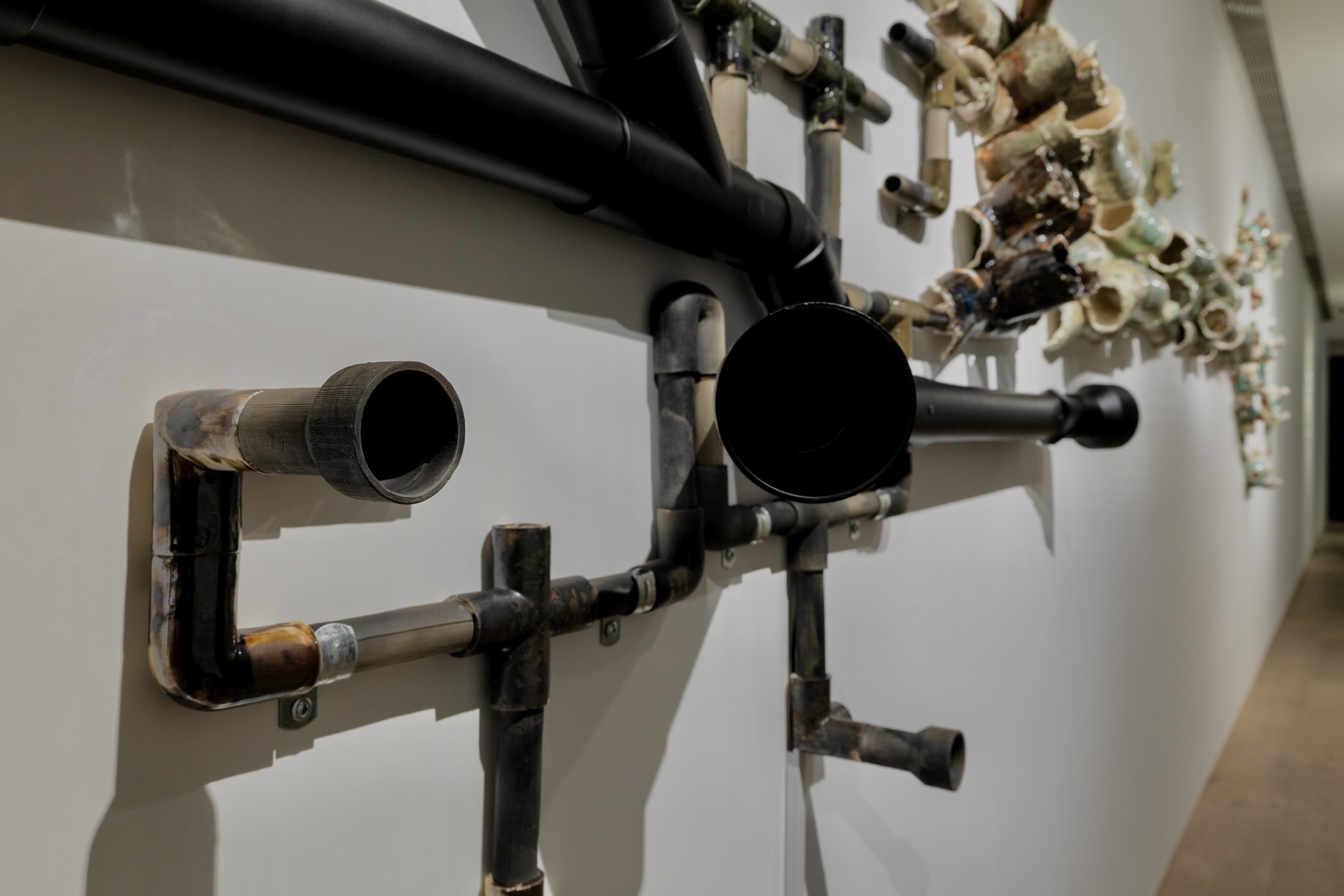
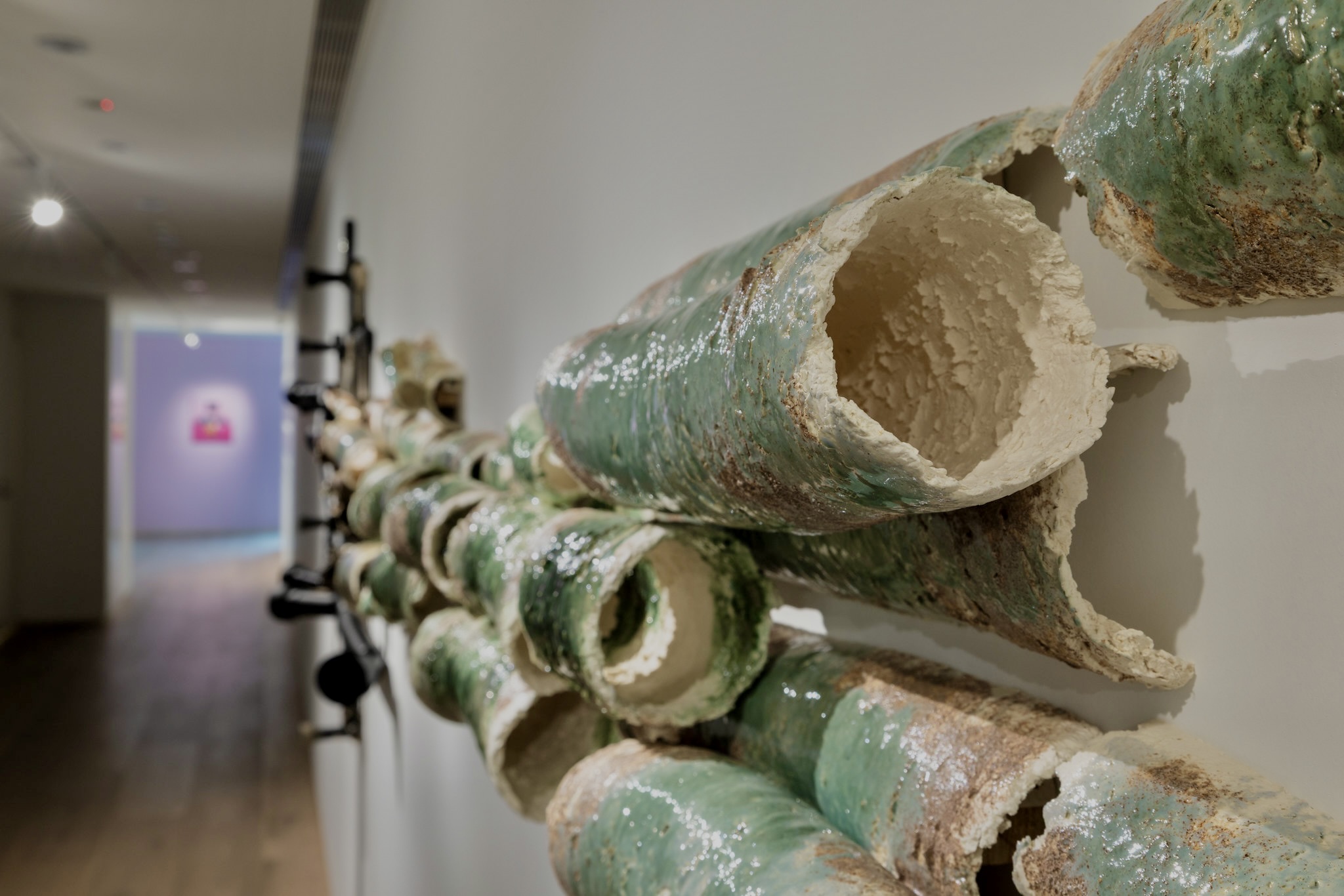
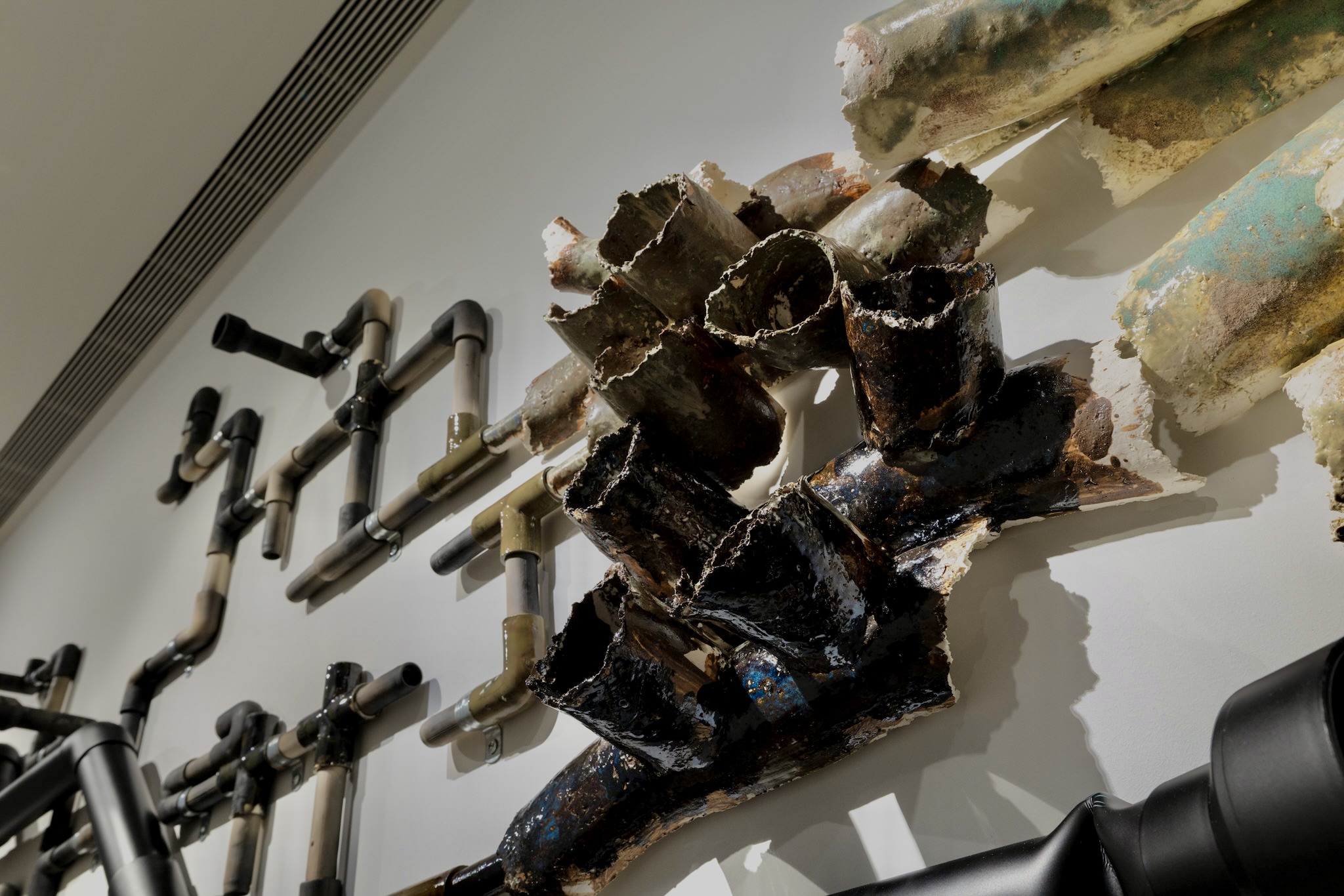
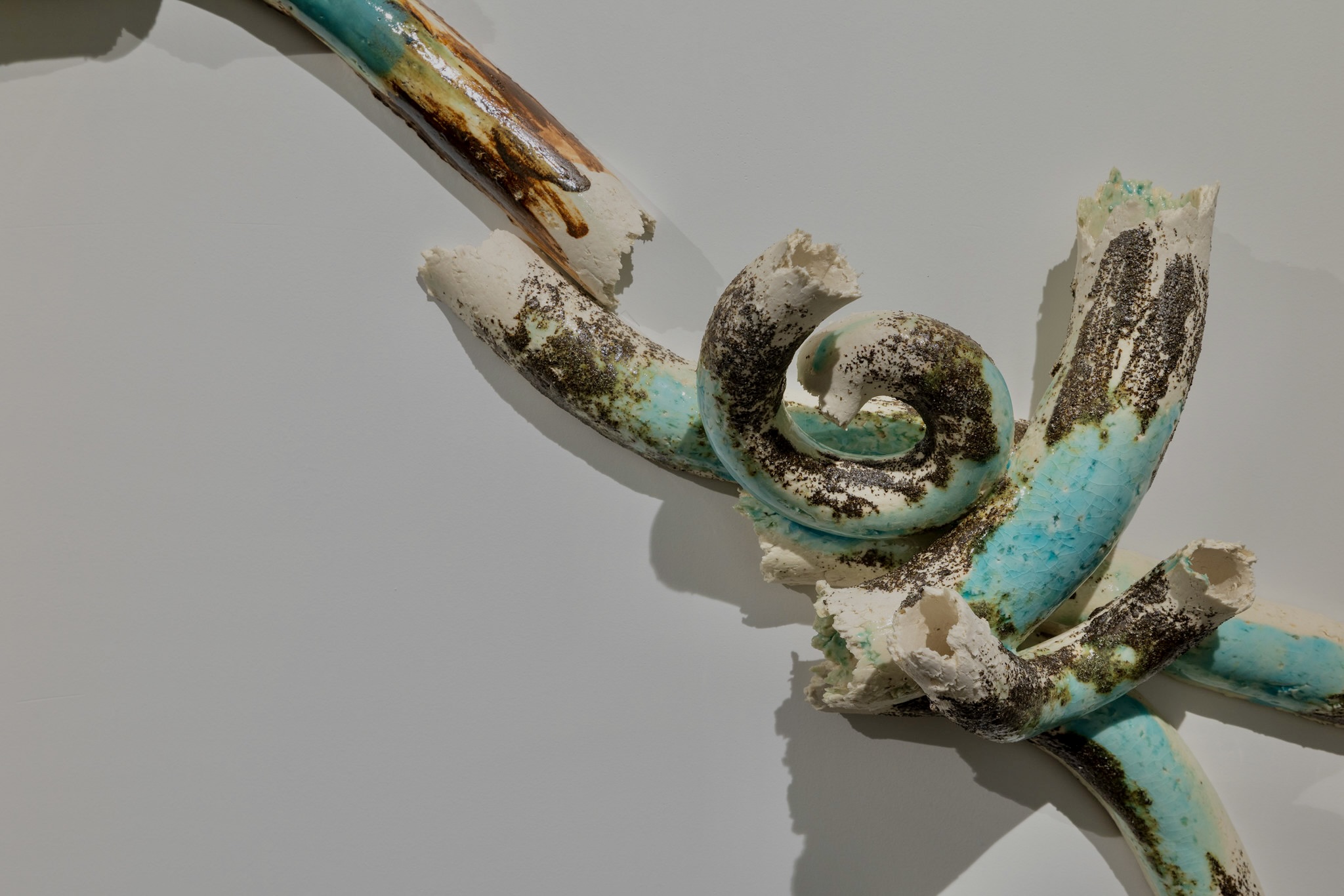
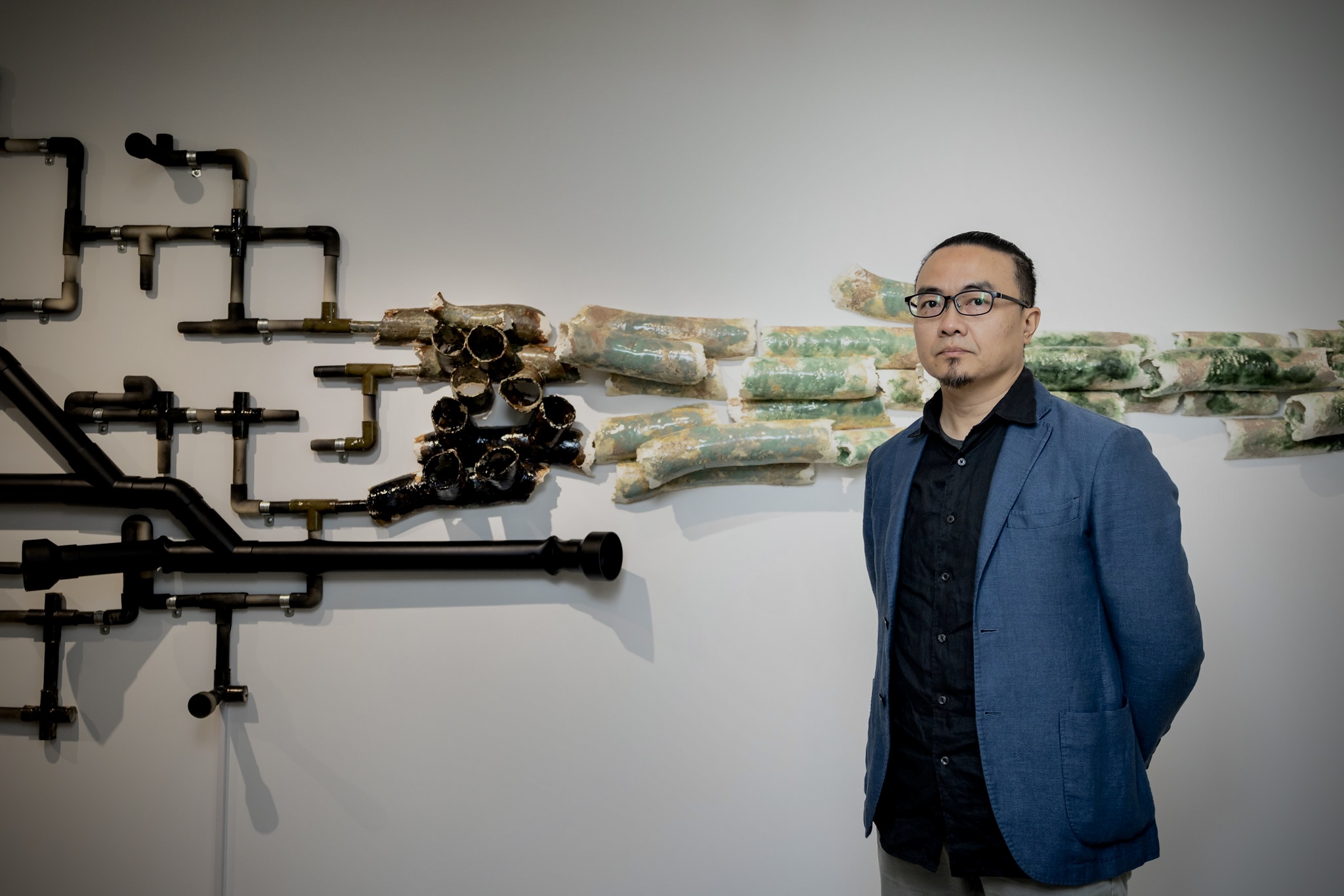
Who is the Beginning, What is the End emerges from several years of collecting underwater sounds, through which I have developed a deeper understanding of the relationship between river systems and urban development.
Within the historical interaction between rivers and cities, water is not merely a natural entity, but a continuously redistributed and transformed system of flow. From upstream natural bodies of water, to irrigation canals, and eventually to urban drainage systems or even concealed underground currents, both the function and trajectory of water have been persistently rewritten. In this process, our perception of flow gradually drifts away from its original sensory condition.
These reflections originate from my engagement with underwater sound. Because such sounds are often difficult to identify, listening itself becomes an insufficient mode of transmission. I therefore attempt to extract sound from a purely auditory experience and reframe it as a perceptual whole.
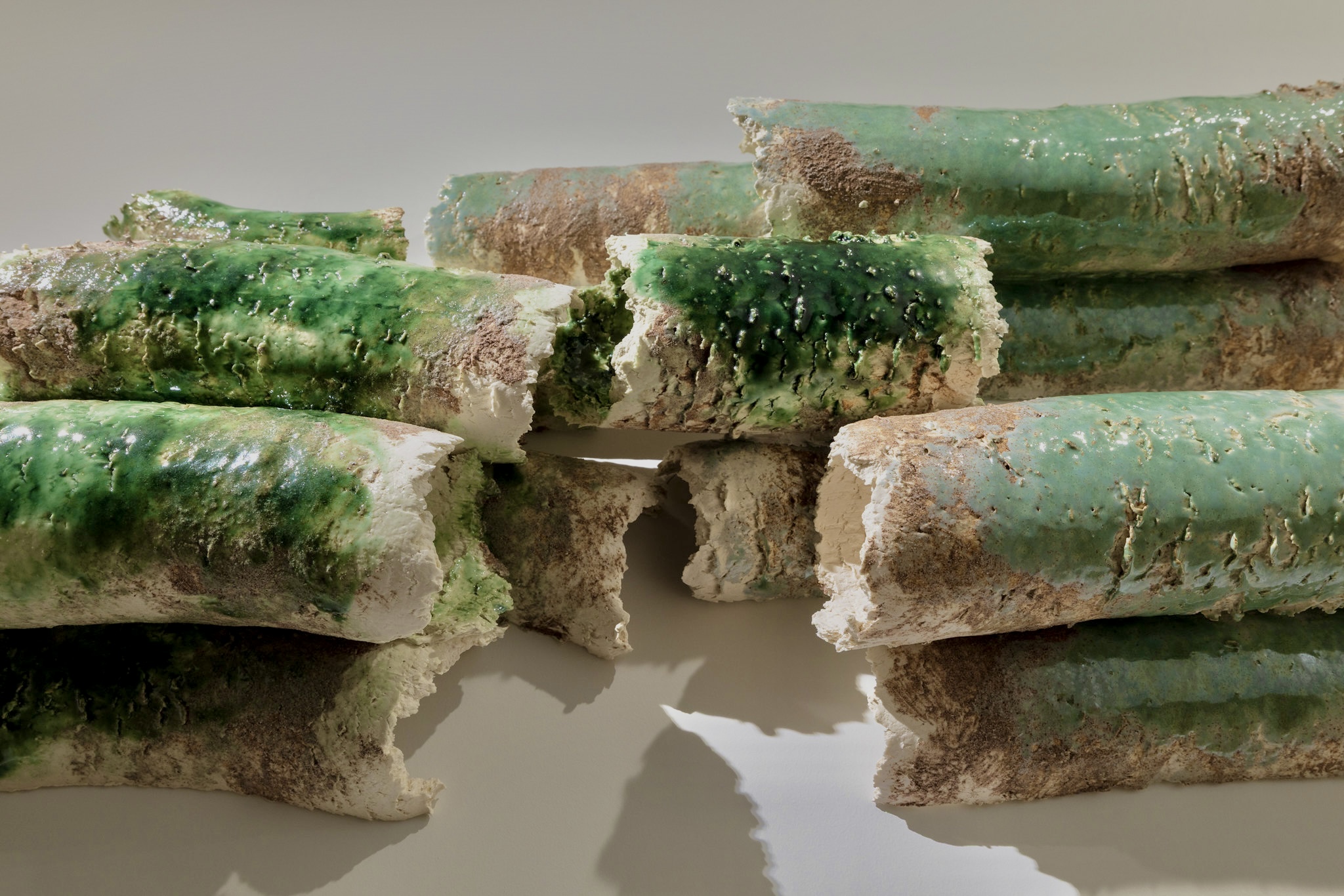
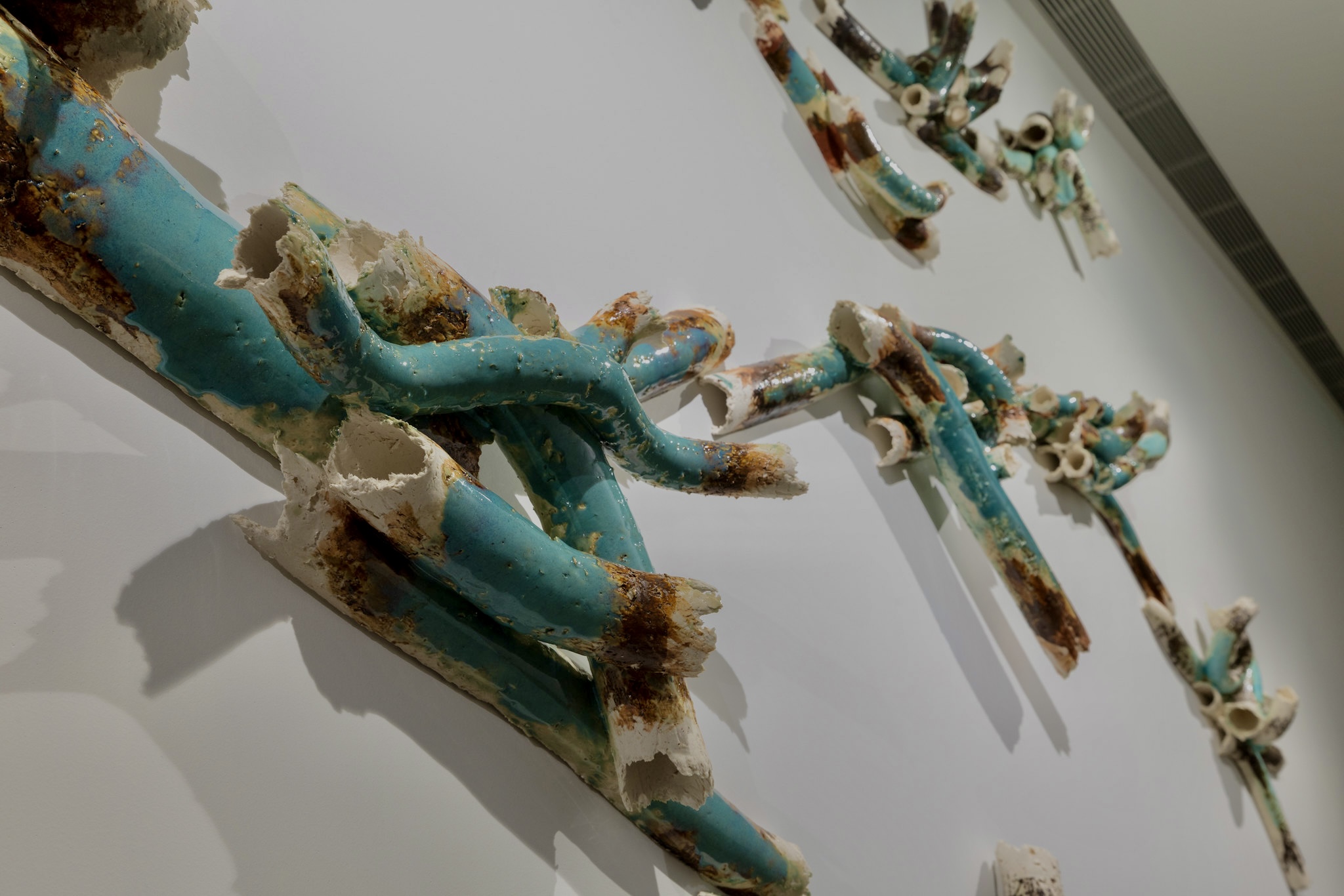
This translation does not concern sound alone, but also the environmental conditions embedded within it: the texture of soil, the color of water, its depth and width, the speed of its movement, and the spatial dynamics across different scales. These elements are inscribed into the structure of sound and further transformed into a system of notation, allowing sound to exist not only as something to be heard, but as a material presence carrying texture, color, and motion.
In this work, sound allows us to perceive how rivers are redirected, segmented, and eventually absorbed into the urban system. Yet this raises a question: can we still determine where a river begins or ends? Or is this flow itself a continuously generated and rewritten process?
Once intervened by human systems, rivers no longer necessarily lead to the sea, but instead circulate within infrastructures constructed by human logic.
Rather than representing a specific river, Who is the Beginning, What is the End proposes a question through the dimension of sound: within the entanglement of nature and human intervention, can the invisible flow and the unheard sound still be said to have a definitive beginning or end? Or further still, can such a condition even be understood as a form of existence?
《誰為始何為終》源於這幾年對水下聲音的採集,進而對河流與城市發展之間關係有了更多不同的認識與思考。
在河流與都市的互動歷史中,水並非單純的自然存在,而是一種被不斷重新分配與轉化的流動系統。從上游的自然水體,到水圳的人工灌溉,再到今日被轉變為都市排水系統,甚至隱沒於地底的暗流,水的功能與路徑持續被改寫,也使我們對於其流動的理解逐漸偏離原初的感知。
而這些認識皆源於我開始對水下聲音的採集,由於水下聲音往往無法被明確辨識,「聽」聲音變成一種無效的傳遞,於是我嘗試將這些聲音從單純的聽覺經驗中提出,使其成為一種可以被感知的整體存在。這種轉譯不僅關於聲音本身,也包含聲音所依附的環境條件:如土壤的質地、水體的顏色、水的深淺與寬窄、流動的快慢,以及不同高度與空間中的動態關係。這些因素被一併寫入聲譜之中,並進一步轉化為聲譜的符號與結構,使聲音不再只是被聽見的對象,也不只是符號與聲音之間的對應,而是成為一種富含質感、顏色與動態的存在。
在本次的作品中,透過聲音我們可以感知到河流被引導、截取、分流並最終消失於城市之中,但我們是否仍能清楚界定它的起點與終點?又或者,這條流動本身就是一種持續被生成與改寫的過程?被人為介入的的河流,在分流與導引之後,河流不再通向海洋,而是進入一個由人類建構的循環系統之中。
《誰為始,何為終》並非再現一條具體的河流,而是透過聲音的面相提出一個問題:在自然與人為交織的過程中,不可見的流動與未曾被聽見的聲音是否仍然擁有一個可被確定的起點與終點?又或者,近一步問,那是否還算是一種存在?
《誰為始何為終》は、近年にわたる水中音の採集を起点として、河川と都市の発展との関係について新たな認識と考察を深めたことから生まれた作品である。
河川と都市の相互作用の歴史において、水は単なる自然的存在ではなく、絶えず再分配され、変換され続ける流動システムである。上流の自然水域から灌漑用水路へ、さらに今日では都市排水システムへと変化し、さらには地下に潜む暗渠へと姿を変えていく中で、水の機能と経路は絶えず書き換えられてきた。それに伴い、私たちの流れに対する認識もまた、原初的な感覚から徐々に乖離していった。
これらの認識は、水中音の採集を始めたことに由来している。水中の音はしばしば明確に識別することができず、「聴く」という行為そのものが伝達として十分に機能しない場合がある。そのため私は、音を単なる聴覚体験から引き離し、より包括的な知覚として提示することを試みた。
この翻訳は音そのものにとどまらず、音が依拠する環境条件、すなわち土壌の質感、水の色、水深や水幅、流速、さらには異なる高さや空間における動態などを含んでいる。これらの要素は音の構造の中に書き込まれ、さらに声譜の記号体系へと変換されることで、音は単に聴かれる対象でも、記号と音の対応関係にとどまるものでもなく、質感や色彩、運動性を内包する存在へと拡張される。
本作において、音を通して私たちは、河川が導かれ、分断され、分流され、最終的に都市の中に取り込まれていく過程を感知する。しかしながら、そのとき私たちはなお、その起点と終点を明確に定めることができるのだろうか。あるいは、この流動そのものが絶えず生成され、書き換えられ続ける過程なのではないだろうか。人為的な介入を受けた河川は、もはや海へと向かうのではなく、人間によって構築された循環システムの中へと組み込まれていく。
《誰為始何為終》は特定の河川を再現するものではなく、音という側面を通して一つの問いを提示するものである。自然と人為が交錯する過程において、不可視の流動と未だ聴かれざる音は、なお確定された始まりと終わりを持ち得るのだろうか。さらに言えば、それは果たして「存在」と呼び得るものなのだろうか。